
Worry Time: A Step-By-Step Guide
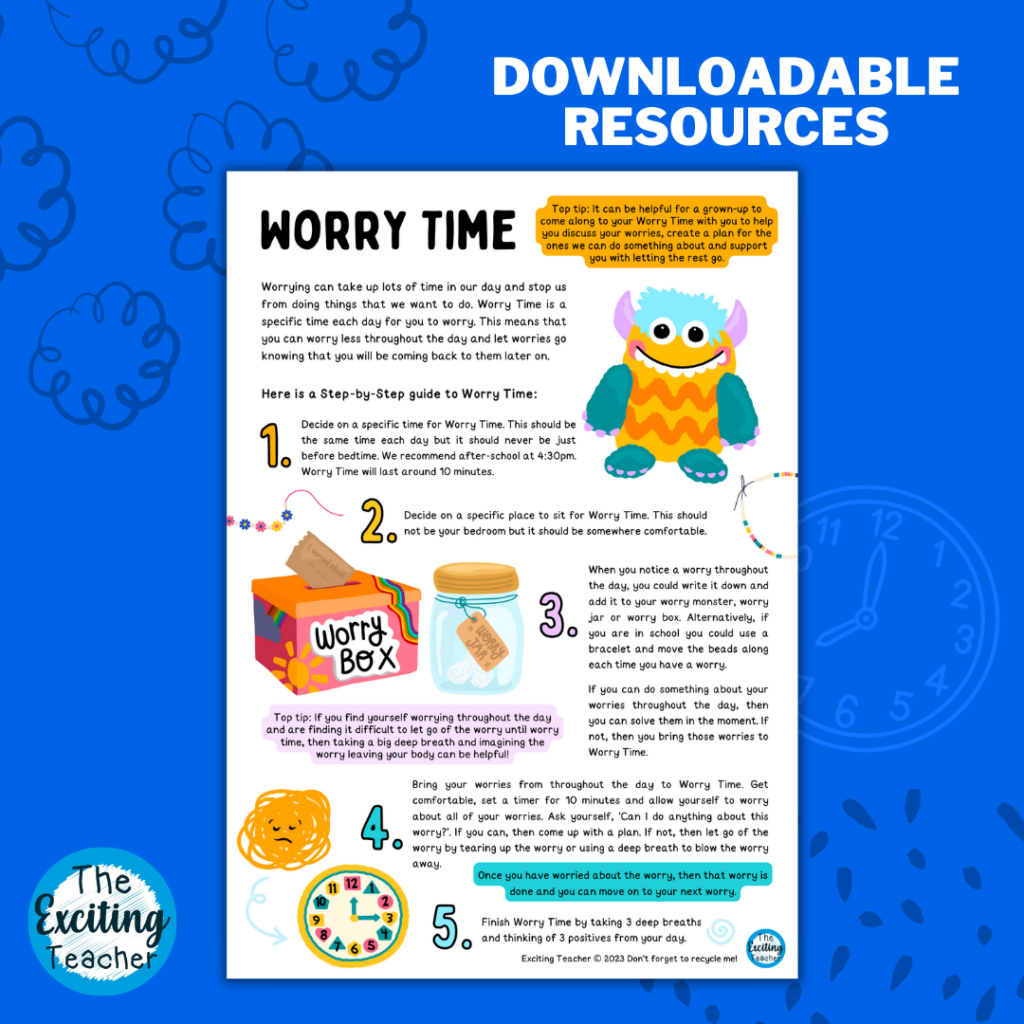
A Step-by-Step guide to introducing Worry Time to children and teens. Worry Time is a common strategy used in Cognitive Behavioural Therapy (CBT) to help children to let go of worries that we cannot do anything about. It is about giving children the time and space to actively worry about their worries as a way of keeping worries boundaried.
Worrying can take up lots of time in our day and stop us from doing things that we want to do. Worry Time is a specific time each day for you to worry. This means that you can worry less throughout the day and let worries go knowing that you will be coming back to them later on.
How could this resource be used?
- To support children with keeping their worries boundaried.
- To support children and teens with letting go of their worries about things we cannot control or change.
- To support practitioners, such as TIS, ELSAs, CWPs and EMHPs in their 1:1 role.
Relevant Curriculum Links:
England PSHE – Which statutory PSHE curriculum* objectives does this resource fall into? *in line with the PSHE Association 2021 Statutory Guidance.
- KS1: H13 – how feelings can affect people’s bodies and how they behave.
- KS1: H17 – about things that help people feel good (e.g. playing outside, doing things they enjoy, spending time with family, getting enough sleep).
- H18. different things they can do to manage big feelings, to help calm themselves down and/or change their mood when they don’t feel good
- KS1: H19 – to recognise when they need help with feelings; that it is important to ask for help with feelings; and how to ask for it.
- KS2: H15 – that mental health, just like physical health, is part of daily life; the importance of taking care of mental health.
- KS2: H16 – about strategies and behaviours that support mental health — including how good quality sleep, physical exercise/time outdoors, being involved in community groups, doing things for others, clubs, and activities, hobbies and spending time with family and friends can support mental health and wellbeing.
- KS2: H18 – about everyday things that affect feelings and the importance of expressing feelings.
- KS2: H20. strategies to respond to feelings, including intense or conflicting feelings; how to manage and respond to feelings appropriately and proportionately in different situations.
- KS2: H21. to recognise warning signs about mental health and wellbeing and how to seek support for themselves and others.
- KS2: L25 – to recognise positive things about themselves and their achievements; set goals to help achieve personal outcomes.
Scottish Health and Wellbeing Curriculum Outcome(s):
- Mental and Emotional Wellbeing:
- I know that we all experience a variety of thoughts and emotions that affect how we feel and behave and I am learning ways of managing them. HWB 0-02a / HWB 1-02a / HWB 2-02a / HWB 3-02a / HWB 4-02a.
- I understand that there are people I can talk to and that there are a number of ways in which I can gain access to practical and emotional support to help me and others in a range of circumstances. HWB 0-03a / HWB 1-03a / HWB 2-03a / HWB 3-03a / HWB 4-03a.
- I understand that my feelings and reactions can change depending upon what is happening within and around me. This helps me to understand my own behaviour and the way others behave. HWB 0-04a / HWB 1-04a / HWB 2-04a / HWB 3-04a / HWB 4-04a.
- I understand the importance of mental wellbeing and that this can be fostered and strengthened through personal coping skills and positive relationships. I know that it is not always possible to enjoy good mental health and that if this happens there is support available. HWB 0-06a / HWB 1-06a / HWB 2-06a / HWB 3-06a / HWB 4-06a.
More amazing resources you might like:
- All
- Breathing Techniques
- Displays
- Emotional Literacy
- Emotions and Feelings
- Families and Close Positive Relationships
- Let's Journal
- Mindfulness
- Self-Esteem
- Staff Training / Morning Briefing
- The Scribbles Crew
- Worried Scribble
- Zones of Regulation

Thought Freeing Fireworks: Letting Worries Go

Regulation Zones A4 Posters
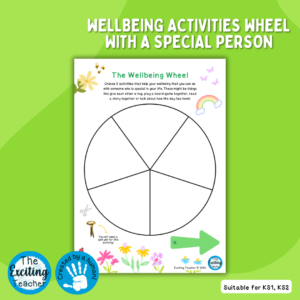
‘The Wellbeing Wheel’ (Mother’s Day / Special Person Day Activity)
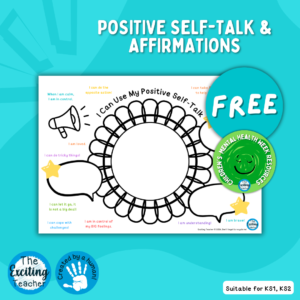
FREE: ‘I Can Use My Positive Self-Talk’ Affirmations Mirror Activity (Children’s Mental Health Week 2024 Resources)

“People who love me…”: Self-Esteem Worksheet for Children and Teens
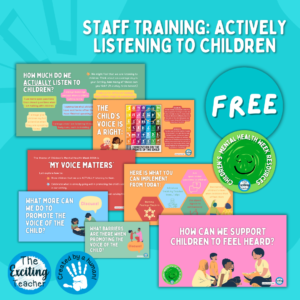
FREE: Staff Training Slides / Morning Briefing – ‘How Can We Support Children to Feel Heard’ (Children’s Mental Health Week 2024 Resources)
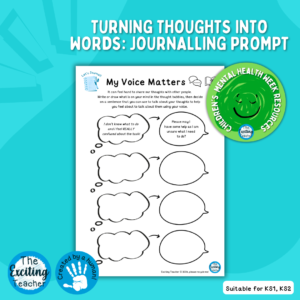
Let’s Journal: ‘My Voice Matters’ – Turning Thoughts into Sentences Prompt Sheet

Snowman Mindful Breathing
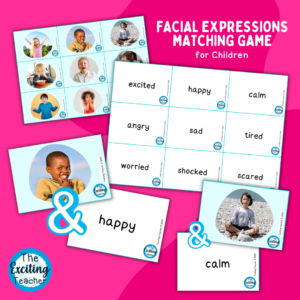
Facial Expressions Emotions/Feelings Matching Activity
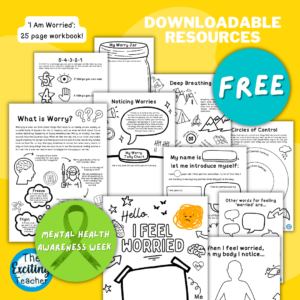
I Feel Worried: Anxiety-Themed Workbook – Exploring Feelings, Thoughts, Behaviours, and Bodily Sensations
Share this resource:
Request a Resource
Want to request or suggest a resource? Pop us a message below and we will see what we can do. We are not able to respond directly to all requests but be rest assured, we are reading them and constantly updating the resource bank accordingly to all your fabulous ideas!