'I Am Dyslexic': Exploring Dyslexia Workbook
This workbook has been designed to support children with dyslexia to explore and share with others what it is like to have dyslexia.
The booklet invites young people to explore what being dyslexic looks and feels like for them personally as we recognise that this is different for every individual. It can be customised to suit individual young people and specific needs by removing or including specific activity sheets.
The workbook serves as an interactive guide to help children understand dyslexia, track their symptoms, learn skills to help cope with being dyslexic, and communicate how it affects them. By providing a positive and supportive space for children with dyslexia to learn about it and develop effective strategies, the “I Have Dyslexia” workbook is a vital tool for helping children living with and managing dyslexia.
Relevant Curriculum Links:
England PSHE – Which statutory PSHE curriculum* objectives does this resource fall into? *in line with the PSHE Association 2021 Statutory Guidance.
- KS1: H17 – about things that help people feel good (e.g. playing outside, doing things they enjoy, spending time with family, getting enough sleep).
- KS1: R23. to recognise the ways in which they are the same and different to others.
- KS2: H15 – that mental health, just like physical health, is part of daily life; the importance of taking care of mental health.
- KS2: H16 – about strategies and behaviours that support mental health — including how good quality sleep, physical exercise/time outdoors, being involved in community groups, doing things for others, clubs, and activities, hobbies and spending time with family and friends can support mental health and wellbeing.
- KS2: R31. to recognise the importance of self-respect and how this can affect their thoughts and feelings about themselves; that everyone, including them, should expect to be treated politely and with respect by others (including when online and/or anonymous) in school and in wider society; strategies to improve or support courteous, respectful relationships.
- KS2: R32. about respecting the differences and similarities between people and recognising what they have in common with others e.g. physically, in personality or background.
Scottish Health and Wellbeing Curriculum Outcome(s):
- Mental and Emotional Wellbeing:
- I understand the importance of mental wellbeing and that this can be fostered and strengthened through personal coping skills and positive relationships. I know that it is not always possible to enjoy good mental health and that if this happens there is support available. HWB 0-06a / HWB 1-06a / HWB 2-06a / HWB 3-06a / HWB 4-06a.
- Relationships:
- I recognise that we have similarities and differences but are all unique. HWB 0-47a / HWB 1-47a.
More amazing resources you might like:
- All
- 5 Point Scale
- Christmas
- EYFS
- Emotional Literacy
- Emotions and Feelings
- Families and Close Positive Relationships
- Fine-Motor Skills
- Games and Activities
- Happy Scribble
- KS1
- KS2
- Mindfulness
- SEND
- Self-Care and Wellbeing
- Self-Esteem
- The Scribbles Crew
The Positive-Thinking Board Game
FREE: ‘I Can Use My Positive Self-Talk’ Affirmations Mirror Activity (Children’s Mental Health Week 2024 Resources)
Brain Break Activities and Ideas
‘My Mum/Special Person is…’ Describing Activity
My Feelings Volcano
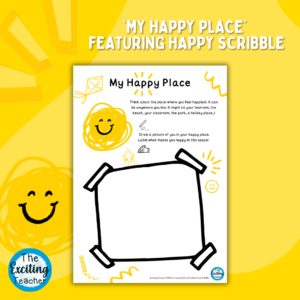
‘My Happy Place’: Happy Scribble Worksheet Activity
Advent: The ‘Acts of Kindness’ Christmas Tree
FREE: Share a Compliment for a Friend Valentine’s Day Activity
FREE: Guided Mindfulness Meditation for Children ‘A Walk Through The Forest’ (World Wildlife Day Resources)
Advent: The Doodle Winter Clothes Mark-Making Mindful Activity
Share this resource:
Request a Resource
Want to request or suggest a resource? Pop us a message below and we will see what we can do. We are not able to respond directly to all requests but be rest assured, we are reading them and constantly updating the resource bank accordingly to all your fabulous ideas!