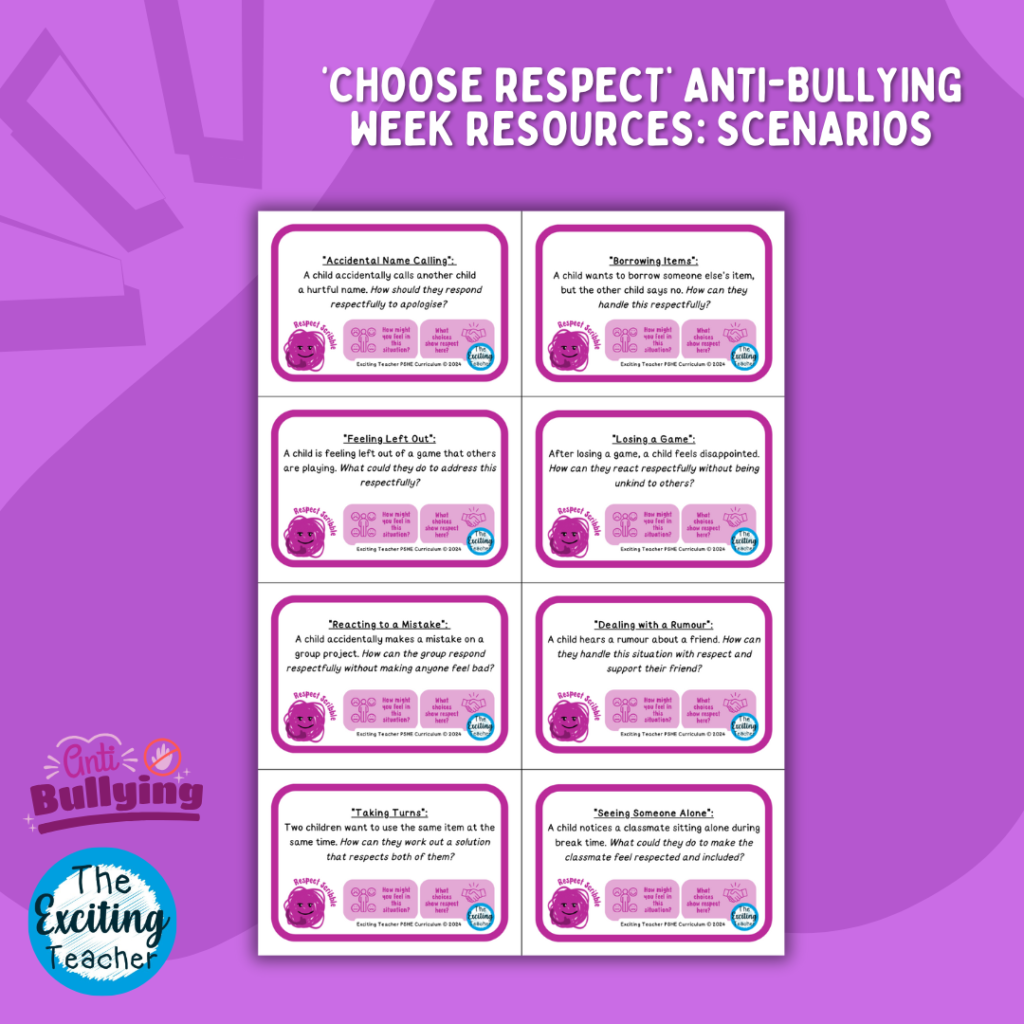
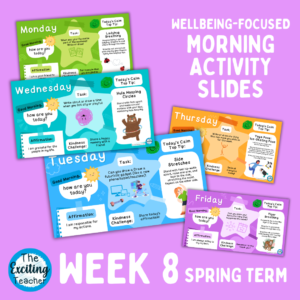
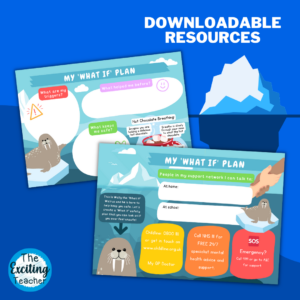
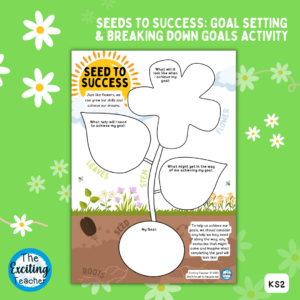
These Anti-Bullying resources are a great way to open up open and frank discussions with your class surrounding the topic of bullying.
We recommend setting a set of class ground rules and keeping the discussion boundaried, whilst also allowing the children to ask questions when appropriate. These resources encourage children to think about the effects of bullying on not only themselves but also others. The aim is to foster a community of respect, understanding and empathy towards others inside and beyond the classroom.
How could this resource be used?
To support with building an anti-bullying culture within school.
To provide children with vocabulary to understand bullying and inappropriate behaviour.
To support with understanding what ‘respect’ looks like in action.
KS1 – R12: that hurtful behaviour (offline and online) including teasing, name-calling, bullying and deliberately excluding others is not acceptable; how to report bullying; the importance of telling a trusted adult.
KS1 – R21: about what is kind and unkind behaviour, and how this can affect others.
KS1 – R22: about how to treat themselves and others with respect; how to be polite and courteous.
KS2 – R31: to recognise the importance of self-respect and how this can affect their thoughts and feelings about themselves; that everyone, including them, should expect to be treated politely and with respect by others (including when online and/or anonymous) in school and in wider society; strategies to improve or support courteous, respectful relationships.
KS2 – R19: about the impact of bullying, including offline and online, and the consequences of hurtful behaviour.
KS2 – R20: strategies to respond to hurtful behaviour experienced or witnessed, offline and online (including teasing, name-calling, bullying, trolling, harassment or the deliberate excluding of others); how to report concerns and get support.
Scottish Health and Wellbeing Curriculum Outcome(s):
Mental and Emotional Wellbeing:
I know that friendship, caring, sharing, fairness, equality and love are important in building positive relationships. As I develop and value relationships, I care and show respect for myself and others. HWB 0-05a / HWB 1-05a / HWB 2-05a / HWB 3-05a / HWB 4-05a.
Social Wellbeing:
I recognise that each individual has a unique blend of abilities and needs. I contribute to making my school community one which values individuals equally and is a welcoming place for all. HWB 0-10a / HWB 1-10a / HWB 2-10a / HWB 3-10a / HWB 4-10a.
Want to request or suggest a resource? Pop us a message below and we will see what we can do. We are not able to respond directly to all requests but be rest assured, we are reading them and constantly updating the resource bank accordingly to all your fabulous ideas!